Men's Wallet: A Comprehensive Guide to Style, Functionality, and Design Utility
In the modern landscape of personal accessories, few items are as ubiquitous or as essential as the men's wallet. It is a daily companion, a repository for identity, and often, a subtle indicator of personal style. However, beyond its role as a functional pocket accessory, the concept and visual representation of a men's wallet hold significant value in the digital and creative realms. Whether you are curating an online storefront, designing a lifestyle blog, or developing marketing materials, understanding the nuances of this accessory is crucial. This article explores the multifaceted nature of the men's wallet, examining its practical features, its symbolic weight, and how high-quality illustrations of this item can elevate your design projects.
The Evolution and Purpose of the Modern Men's Wallet
Historically, wallets were simple pouches used to carry coins and later, paper currency. Today, the men's wallet has evolved into a sophisticated organizational tool. While digital payments are on the rise, the physical wallet remains indispensable for carrying identification cards, membership passes, emergency cash, and photographs. The purpose of a wallet extends beyond mere storage; it is about accessibility and security. A well-designed wallet protects sensitive information from wear and tear while ensuring that essential items are within easy reach.
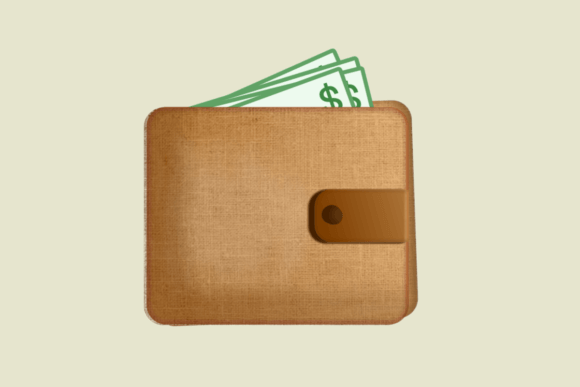
For designers and content creators, recognizing this evolution is key. When selecting or creating a men's wallet illustration, it is important to reflect the current state of the product. Modern wallets are sleeker, more minimalist, and often feature advanced materials like carbon fiber, titanium, or recycled fabrics. An illustration that captures these contemporary details will resonate more deeply with a modern audience than one depicting an outdated, bulky bifolds.
Key Features That Define Quality
When evaluating a men's wallet, either for personal use or as a subject for design, several characteristics stand out. Understanding these features helps in creating accurate and appealing visual content.
- Material Durability: Leather remains the gold standard, known for its longevity and ability to develop a unique patina over time. However, synthetic materials and metals are gaining popularity for their water resistance and lightweight properties.
- Capacity vs. Bulk: The eternal trade-off. A good wallet balances the number of card slots with the overall thickness. Minimalist designs often feature fewer slots but include money clips or elastic bands to reduce bulk.
- Rfid Protection: In an era of digital theft, many modern wallets include Radio Frequency Identification blocking technology. Highlighting this feature in product descriptions or design concepts adds a layer of perceived value and security.
- Ergonomics: How the wallet feels in the hand and in the pocket matters. Rounded edges, smooth stitching, and intuitive layout contribute to a superior user experience.
Integrating Men's Wallet Illustrations into Online Store Design
For e-commerce entrepreneurs and web designers, visual assets are the cornerstone of conversion. A men's wallet illustration is not merely a decorative element; it is a functional tool that guides user behavior and enhances brand identity. Here is how you can effectively utilize these visuals in your online store design.
Enhancing User Experience Through Visual Clarity
High-quality illustrations can clarify product features that photographs might miss. For instance, an exploded-view illustration can show the internal layers of a wallet, highlighting RFID lining or hidden compartments. This transparency builds trust with potential buyers who want to know exactly what they are purchasing. Furthermore, consistent illustration styles across your site create a cohesive brand narrative. If your brand focuses on rugged durability, rough-hewn, textured illustrations may be appropriate. Conversely, a luxury brand might benefit from clean, vector-based line art that exudes elegance and precision.
Using a men's wallet illustration also allows for greater flexibility in layout. Unlike photographs, which are constrained by lighting and background conditions, illustrations can be easily scaled, recolored, and adapted to fit various screen sizes and responsive design requirements. This adaptability ensures that your online store looks professional and polished on everything from desktop monitors to mobile devices.
Storytelling and Lifestyle Context
People do not just buy products; they buy into lifestyles. An illustration can place a men's wallet in a context that resonates with the target audience. Imagine an illustration showing a wallet alongside a passport, boarding pass, and sunglasses, evoking the feeling of travel and adventure. Or perhaps a scene depicting a wallet on a sleek office desk next to a laptop and coffee, suggesting professionalism and organization. These contextual cues help consumers visualize how the product fits into their own lives, making the purchase decision more emotional and less transactional.
Who Benefits from High-Quality Wallet Imagery?
The utility of a well-crafted men's wallet illustration extends beyond retail. Various professionals and creators can leverage these assets to enhance their projects.
- E-commerce Business Owners: As mentioned, clear, attractive visuals drive sales. Illustrations can differentiate a brand in a crowded market, offering a unique aesthetic that stands out from competitors relying solely on stock photography.
- Graphic Designers and Agencies: When creating branding packages for fashion or lifestyle clients, having a library of versatile wallet illustrations allows for rapid prototyping and mockup creation. It saves time and ensures consistency across deliverables.
- Content Creators and Bloggers: Articles discussing financial literacy, minimalism, or fashion trends benefit from relevant imagery. An illustration breaks up text, makes the content more engaging, and helps illustrate key points without the legal complexities often associated with using branded product photos.
- App Developers: Finance apps, budgeting tools, or digital wallet interfaces can use stylized wallet icons and illustrations to create a more intuitive and friendly user interface. It bridges the gap between digital finance and physical habits.
Practical Considerations and Limitations
While illustrations offer many advantages, it is important to approach their use with a clear understanding of their limitations. Transparency is vital in e-commerce. Customers need to see the actual product to assess color accuracy, texture, and true size. Therefore, illustrations should complement, not replace, high-resolution product photography. Use illustrations for conceptual explanations, banners, and icons, but rely on photos for the primary product view.
Additionally, consider the style consistency. Mixing hyper-realistic illustrations with flat, cartoonish icons can create a disjointed user experience. Ensure that the men's wallet illustration style aligns with the overall design language of your platform. If your site is minimalist, choose clean lines and muted colors. If it is bold and energetic, opt for vibrant, dynamic visuals.
Evaluating Suitability for Your Project
Before integrating wallet illustrations into your design, ask yourself the following questions:
- Does the illustration style match my brand identity?
- Am I using the image to explain a feature or to set a mood?
- Is the illustration distinct enough to be recognizable at small sizes (e.g., thumbnails)?
- Have I balanced illustrative elements with real product photos to maintain consumer trust?
By answering these questions, you can ensure that the visuals serve a strategic purpose rather than just filling space.
Real-World Scenarios: Applying Design Principles
Consider a scenario where a startup is launching a line of eco-friendly wallets made from recycled materials. The brand values sustainability and transparency. Instead of using glossy, high-fashion photography, they opt for hand-drawn, earthy-toned men's wallet illustrations that highlight the texture of the recycled material. These illustrations are paired with infographics showing the recycling process. This approach reinforces the brand's message and appeals to environmentally conscious consumers.
In another scenario, a tech company is updating its digital payment app. They want to onboard users who are transitioning from physical cash to digital currency. They use a series of animated illustrations showing a traditional men's wallet transforming into a smartphone. This visual metaphor helps ease the transition for users who may be hesitant about adopting new technology, making the app feel familiar and safe.
Conclusion
The men's wallet is more than a container for cash and cards; it is a symbol of organization, style, and preparedness. For designers, marketers, and business owners, the visual representation of this item offers a powerful tool for communication. A well-executed men's wallet illustration can enhance online store designs, clarify product features, and tell compelling brand stories. By understanding the functional aspects of wallets and applying thoughtful design principles, you can create content that is not only visually appealing but also genuinely useful to your audience. Whether you are aiming to boost sales, improve user engagement, or simply add aesthetic value to your project, investing in high-quality wallet imagery is a decision that pays dividends in clarity and connection.