Mastering Digital Design Assets: A Comprehensive Guide to the Line Collection
In the rapidly evolving landscape of digital design, the demand for high-quality, versatile visual assets has never been greater. Whether you are a seasoned graphic designer, a marketing professional, an educator creating engaging materials, or a hobbyist exploring creative outlets, the foundation of compelling visual communication often lies in the simplicity and elegance of line art. The Line Collection represents a curated suite of design resources specifically engineered to meet these diverse needs. By providing a robust array of formats and resolutions, this collection serves as a critical tool for anyone looking to enhance their visual projects with precision and style.
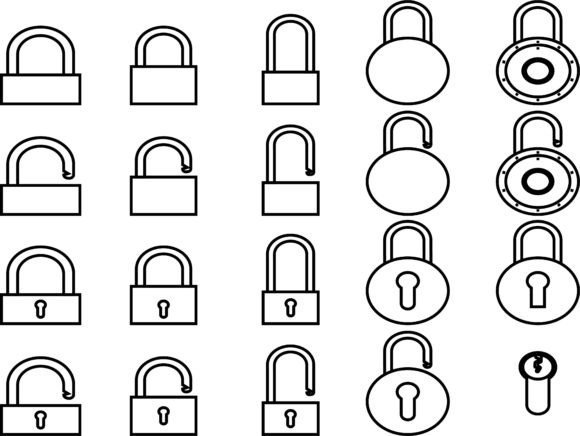
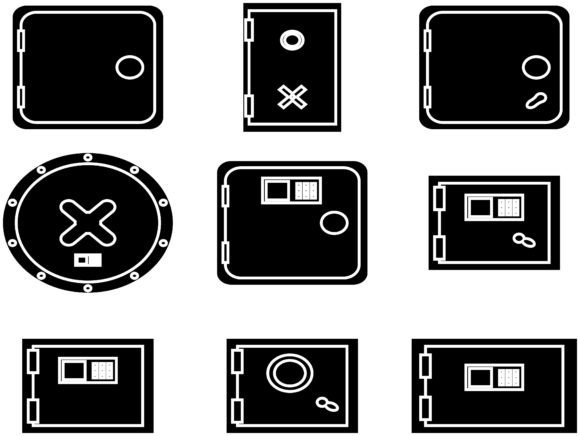
Understanding the value of such a resource requires more than just acknowledging the aesthetic appeal of line drawings. It involves recognizing the technical specifications that make these assets usable across various mediums, from high-resolution print media to scalable web graphics. This article delves into the practical applications, technical advantages, and strategic implementation of the Line Collection, offering a thorough examination of how these 54 PNG files, 54 SVG files, 6 EPS files, 1 AI file, and 6 JPG files can transform your workflow.
The Versatility of File Formats in Modern Design Workflows
One of the most significant advantages of the Line Collection is its comprehensive approach to file format diversity. In professional design, no single file type suits every purpose. The inclusion of multiple formats ensures that users can select the optimal asset for their specific project requirements without the need for cumbersome conversions that often degrade quality.
Raster Graphics: PNG and JPG Utility
The collection includes 54 PNG files and 6 JPG files, catering to immediate usage scenarios where raster graphics are preferred. PNG (Portable Network Graphics) files are particularly valuable due to their support for transparency. This feature allows designers to overlay line art onto colored backgrounds, photographs, or complex layouts without unsightly white boxes surrounding the image. At 300dpi, these PNGs are print-ready, making them ideal for brochures, business cards, and packaging designs where crisp edges are paramount.
Conversely, the 6 JPG files provide a lightweight alternative for web-based applications where file size is a concern. While they lack transparency, JPEGs are universally supported and load quickly, making them suitable for blog posts, social media updates, and email newsletters. The inclusion of both formats demonstrates a thoughtful consideration of the different technical constraints faced by web developers and print designers alike.
Vector Precision: SVG, EPS, and AI Integration
For projects requiring infinite scalability, the Line Collection offers 54 SVG files, 6 EPS files, and 1 master AI file. Vector graphics are defined by mathematical paths rather than pixels, meaning they can be resized to any dimension without losing clarity. This is indispensable for branding elements, such as logos, which must appear sharp on both a tiny favicon and a large billboard.
SVG (Scalable Vector Graphics) files have become the standard for web design because they are code-based, allowing for interactive styling via CSS and JavaScript. Developers can change the color or stroke width of a line icon dynamically based on user interaction, a capability impossible with static raster images. The EPS (Encapsulated PostScript) and AI (Adobe Illustrator) files cater to professional designers using industry-standard software. These formats preserve editable layers and paths, enabling deep customization. A designer can isolate specific elements of a line drawing, adjust anchor points, or integrate the artwork seamlessly into larger composite illustrations.
Practical Applications Across Industries
The utility of the Line Collection extends far beyond traditional graphic design. Its neutral, clean aesthetic makes it adaptable to a wide range of industries and use cases. By examining how different professionals utilize these assets, we can better appreciate their versatility.
Educational and Academic Resources
Educators and researchers often struggle to find clear, copyright-safe illustrations for textbooks, presentations, and online courses. Line art is particularly effective in educational contexts because it reduces cognitive load. Unlike photorealistic images, which can contain distracting details, line drawings focus the viewer’s attention on the essential structure or concept. For instance, a biology teacher might use line diagrams to illustrate plant structures, while a history professor could employ timeline icons to visualize chronological events. The high resolution of the PNG files ensures that these images remain legible when projected in large lecture halls or printed in handouts.
Corporate Branding and Marketing
In the corporate world, consistency is key to brand recognition. The Line Collection provides a cohesive visual language that companies can adopt for their marketing materials. Startups, in particular, benefit from the modern, minimalist look of line art, which conveys professionalism and innovation. Marketing teams can use the SVG files to create animated explainers for websites, enhancing user engagement without slowing down page load times. Furthermore, the ability to edit the AI file allows brand managers to tweak colors to match strict corporate style guides, ensuring that every touchpoint reinforces the brand identity.
Digital Product Development
App developers and UI/UX designers rely heavily on iconography to guide users through digital interfaces. The 54 SVG files in the Line Collection are perfectly suited for this purpose. Their small file sizes contribute to faster app performance, while their scalability ensures they look crisp on high-density retina displays. Whether used for navigation menus, button states, or feature highlights, these line icons provide a intuitive visual cue that transcends language barriers. The uniformity of the line weight and style across the collection helps maintain a harmonious user interface, reducing friction and improving the overall user experience.
Technical Considerations for Optimal Usage
To fully leverage the potential of the Line Collection, users must understand the technical nuances of working with these files. Proper implementation ensures that the final output meets professional standards.
Resolution and Density Management
While the PNG files are provided at 300dpi, it is crucial to place them correctly in design software. Importing a 300dpi image into a document set to 72dpi without adjusting the scale can result in unexpected sizing issues. Designers should always check the document settings before importing assets. For web use, even though the source is high resolution, images should be optimized and compressed to balance quality and load speed. Tools like ImageOptim or TinyPNG can reduce file size without visible loss in quality, ensuring that the visual fidelity of the Line Collection is maintained while adhering to web performance best practices.
Vector Editing Best Practices
When working with the EPS or AI files, non-destructive editing techniques are recommended. Instead of deleting parts of a design, designers should use masks or hide layers. This preserves the original integrity of the asset, allowing for future modifications. Additionally, when converting vector files to raster formats for specific uses, it is important to export at the appropriate resolution. Exporting an SVG to a PNG at 72dpi for a print brochure will result in pixelation. Always match the export settings to the final medium.
Licensing and Ethical Use
While the technical aspects are vital, understanding the licensing terms associated with the Line Collection is equally important. Professionals must ensure that their usage complies with the provided license, whether for personal, commercial, or extended commercial use. Respecting intellectual property rights fosters a healthy creative ecosystem and supports the creators who produce these high-quality resources. Always verify if attribution is required or if there are restrictions on redistribution, especially when incorporating these assets into templates or products for sale.
Enhancing Creativity Through Customization
The true power of the Line Collection lies not just in its ready-to-use state, but in its potential for customization. The inclusion of the master AI file allows for extensive manipulation. Designers can combine elements from different files to create unique compositions. For example, one might merge a floral line element with a geometric frame to create a custom border for a wedding invitation. The editable nature of vector files means that stroke widths can be adjusted to match the thickness of other design elements, creating a cohesive visual hierarchy.
Moreover, the monochromatic nature of line art makes it an excellent canvas for experimentation with color. Designers can apply gradients, duotones, or vibrant solid colors to transform the mood of the artwork. A simple line icon can become a dynamic focal point when paired with a bold background color or a subtle drop shadow. This flexibility encourages creativity, allowing users to move beyond template-like usage and develop distinct visual identities.
Conclusion
The Line Collection stands as a testament to the enduring relevance of simplicity in design. By offering a diverse range of high-quality formats including 54 PNGs, 54 SVGs, 6 EPSs, 1 AI file, and 6 JPGs, it addresses the multifaceted needs of today’s digital creators. From the precision required in corporate branding to the clarity needed in educational materials, these assets provide a reliable foundation for visual communication. Understanding the technical strengths of each format and applying them strategically allows professionals and hobbyists alike to elevate their projects. As digital mediums continue to expand, the ability to adapt and customize high-quality line art remains an invaluable skill, ensuring that messages are conveyed with clarity, elegance, and impact.