Abstract Fluid and Liquid Elements: A Practical Asset for Modern Design
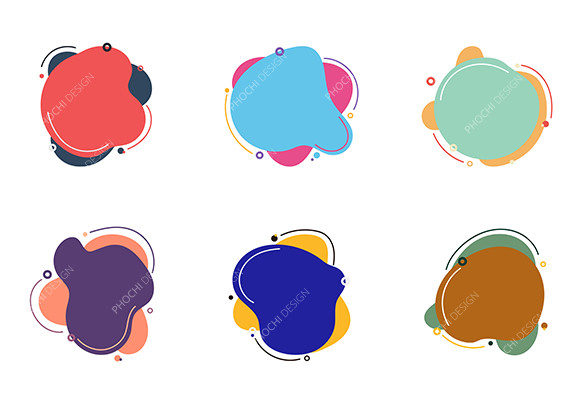
In the evolving landscape of digital and print design, static geometric shapes are increasingly giving way to organic, dynamic forms. The Set of Abstract Fluid or Liquid Elements represents a shift toward more natural, flowing aesthetics that capture attention without overwhelming the viewer. For professionals ranging from marketing directors to freelance graphic designers, understanding the utility of these assets is crucial for maintaining a contemporary visual identity. This collection, characterized by its high-resolution vector format and flat design approach, offers a versatile toolkit for creators who need to balance artistic expression with technical precision.
The Shift Toward Organic Design Language
Modern branding and user interface design have moved away from rigid structures. Audiences today respond positively to visuals that feel alive and adaptable. Abstract fluid elements mimic the behavior of liquids—pouring, swirling, and merging—to create a sense of movement and depth. Unlike complex 3D renders that can slow down load times or complicate print processes, these flat design vectors offer the best of both worlds: the visual interest of organic shapes and the efficiency of scalable graphics.
The inclusion of circles and lines isolated on a white background further enhances this utility. These geometric counterparts provide structure, allowing designers to anchor the free-flowing liquid shapes. This combination creates a balanced composition where chaos and order coexist, a principle that is highly effective in guiding the viewer’s eye through a layout.
Technical Specifications and Quality Assurance
When evaluating design assets, technical reliability is just as important as aesthetic appeal. This specific set of abstract colorful fluid elements is delivered in high resolutions at 300 DPI (dots per inch). For print professionals, this specification is non-negotiable. It ensures that whether the final output is a business card, a large-format banner, or a magazine spread, the edges of the vectors remain crisp and free from pixelation.
The fact that all graphics are 100% vector is perhaps the most significant advantage. Vector files, such as the included EPS formats, use mathematical paths rather than pixels to define images. This means:
- Infinite Scalability: You can resize an element from the size of a favicon to the side of a building without any loss in quality.
- Small File Sizes: Vectors are generally lighter than high-res raster images, improving website performance and email deliverability.
- Editability: Every shape, color, and line is fully editable. Designers can adjust the hue to match brand guidelines or modify the curvature of a liquid drop to fit a specific layout constraint.
The organization of the file structure also deserves mention. Well-organized layers and grouped elements save hours of workflow time. Instead of untangling a messy stack of objects, designers can quickly isolate specific components, such as a single fluid drop or a decorative line, and integrate them into their projects seamlessly.
Versatility Across Industries and Use Cases
The practical value of this asset pack lies in its broad applicability. Because the designs are abstract, they do not carry specific cultural or industry baggage, making them suitable for a wide range of sectors. Here is how different professionals might leverage these elements:
Marketing and Advertising
Marketers often need to create eye-catching social media posts, ad banners, and email headers. The vibrant colors and dynamic shapes of fluid elements break the monotony of text-heavy feeds. The copy space provided within the designs allows for the seamless integration of headlines and call-to-action buttons. For instance, a tech startup could use blue and purple fluid gradients to convey innovation and trust, while a health brand might opt for softer greens and blues to suggest wellness and purity.
Corporate Branding and Identity
For small business owners and entrepreneurs establishing a brand identity, these elements can serve as foundational graphic motifs. They can be used on business cards, letterheads, and presentation decks to add a layer of sophistication. The flat design style aligns well with modern minimalist branding trends, ensuring that the company appears current and professional.
Digital Product Design
UI/UX designers can utilize these vectors as background elements for landing pages or app interfaces. The isolated nature of the graphics on a white background makes it easy to remove the background or blend the elements into existing color schemes. The lines and circles can function as decorative dividers or focus indicators, enhancing the user experience without distracting from core content.
Educational and Editorial Content
Educators and publishers can use these abstract shapes to illustrate concepts related to science, flow, change, or creativity. In textbooks or online courses, visual aids help retain student attention. The clean, watermark-free nature of the download ensures that these images look professional in academic publications.
Usability and Workflow Integration
One of the primary concerns for creators is how easily a new asset integrates into their existing workflow. This set supports two primary file formats: EPS and JPG. The EPS format is ideal for users working with Adobe Illustrator, CorelDRAW, or other vector-based software. It allows for deep customization, including changing stroke weights, adjusting anchor points, and recoloring individual components.
The JPG files cater to users who may not have advanced design software or who need quick placeholders for presentations and mockups. Having both formats ensures that the asset is accessible to a broader audience, from seasoned graphic designers to small business owners using simpler tools like Canva or PowerPoint.
The "flat design" aspect simplifies the editing process. Unlike complex gradients or 3D effects that require careful lighting adjustments, flat designs are straightforward to manipulate. This reduces the learning curve for junior designers or hobbyists who want to achieve a polished look without extensive technical training.
Limitations and Considerations
While the Set of Abstract Fluid or Liquid Elements is highly versatile, it is important to recognize its limitations to manage expectations. First, because these are abstract shapes, they do not convey specific narrative information. They are decorative and structural, not illustrative of specific objects or actions. Therefore, they should be used to support content, not replace it.
Second, the effectiveness of these elements depends heavily on color theory. While the default colors are vibrant and appealing, they may not match every brand palette. Users must be comfortable using vector editing tools to adjust colors if strict brand compliance is required. However, this is a minor hurdle given the ease of editing vector files.
Finally, while the flat design is trendy, design trends are cyclical. However, the fundamental nature of fluid shapes is timeless, rooted in natural forms. By focusing on clean lines and balanced compositions, these assets are likely to remain relevant longer than more ephemeral stylistic fads.
Final Assessment of Value
For professionals seeking to enhance their visual communication, this collection offers a strong return on investment. The combination of high-resolution output, full vector editability, and thoughtful organization addresses the core needs of modern design workflows. It eliminates the time-consuming process of creating complex organic shapes from scratch, allowing creators to focus on strategy and messaging.
The absence of watermarks and the inclusion of copy space demonstrate an understanding of commercial usability. Designers do not need to spend extra time cleaning up files or cropping out unwanted artifacts. This efficiency translates directly into cost savings and faster project turnaround times.
In conclusion, the Set of Abstract Fluid or Liquid Elements is a robust resource for anyone involved in visual creation. Whether you are designing a corporate report, a social media campaign, or a product package, these assets provide the flexibility and quality needed to produce professional-grade results. By integrating these fluid forms with structured lines and circles, designers can create compelling visuals that resonate with contemporary audiences while maintaining technical excellence.