Understanding the City Urban Area Map: Isometric Vehicles and 3D Architectural Illustrations
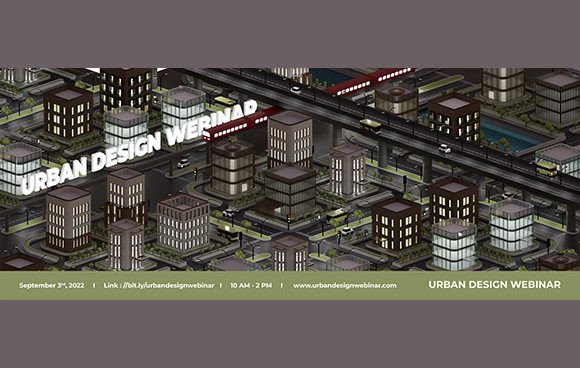
In the rapidly evolving world of digital design and urban planning, the city urban area map isometric vehicles concept has emerged as a powerful visual tool. This specific style of illustration combines the precision of architectural drafting with the engaging aesthetics of 3D modeling. By depicting a town street filled with buildings, houses, trees, and vehicles from an isometric perspective, designers and planners can communicate complex spatial relationships in a way that is both intuitive and visually striking. But what exactly makes this format so significant, and how does it impact modern industries ranging from video game development to municipal infrastructure planning?
The Essence of Isometric Design in Urban Mapping
To truly appreciate the value of a city urban area map isometric vehicles 3D illustration, one must first understand the principles of isometric projection. Unlike traditional perspective drawing, where objects appear smaller as they recede into the distance, isometric design maintains consistent scale regardless of depth. This creates a "parallel projection" where all three axes (x, y, and z) are equally foreshortened. The result is a clean, grid-based view that allows viewers to see the top and two sides of objects simultaneously.
When applied to urban environments, this technique transforms a chaotic cityscape into an organized, readable diagram. A town street with a lot of building houses and streets becomes a modular puzzle piece. Each element, from the smallest tree to the largest skyscraper, fits perfectly into a cohesive whole. This clarity is why isometric maps are favored in strategy games, logistics simulations, and educational materials. They remove the visual noise of realistic perspective, allowing the viewer to focus on the layout, density, and functionality of the urban space.
Key Components of the Isometric Cityscape
A comprehensive isometric city illustration is not merely a collection of shapes; it is a carefully curated ecosystem of elements. To create a believable and functional map, several key components must be integrated seamlessly:
- Architecture and Buildings: These form the backbone of the map. In a high-quality 3D illustration, buildings vary in height, style, and function. Residential houses might feature pitched roofs and gardens, while commercial structures boast flat roofs and large glass facades. The diversity in architecture helps define the character of different neighborhoods within the map.
- Street Networks: Streets are the arteries of the city. In isometric design, roads are often depicted with clear lane markings, crosswalks, and intersections. They guide the eye through the composition and establish the flow of movement. A well-designed street network ensures that the map feels navigable and logical.
- Vehicles and Traffic: The inclusion of isometric vehicles adds life and scale to the scene. Cars, buses, trucks, and even bicycles provide a sense of activity and purpose. They help viewers understand the size of the buildings and the width of the streets. Moreover, vehicles can indicate traffic patterns, parking availability, and the general pace of life in the urban area.
- Greenery and Natural Elements: Trees, parks, and roadside planters soften the hard edges of concrete and asphalt. They introduce organic shapes and colors, breaking up the monotony of geometric structures. In modern urban planning visuals, greenery is crucial for illustrating sustainability and quality of life.
Practical Applications in Modern Industries
The utility of city urban area map isometric vehicles extends far beyond aesthetic appeal. This visual language serves practical purposes across various sectors, enhancing communication, planning, and user engagement.
Urban Planning and Smart Cities
For urban planners and architects, isometric maps offer a middle ground between technical blueprints and photorealistic renderings. While blueprints are precise but difficult for laypeople to interpret, and photorealistic renders are immersive but often obscure structural details, isometric illustrations provide clarity and context. Planners can use these maps to visualize zoning changes, traffic flow improvements, or the impact of new developments on existing infrastructure. By including vehicles and trees, they can simulate real-world conditions and assess the livability of a proposed design.
Furthermore, in the context of "smart cities," isometric dashboards allow administrators to monitor data in real-time. Imagine a digital twin of a city where each building represents a data node, and vehicles represent logistics flows. This abstraction makes complex data sets accessible to decision-makers who need to optimize energy usage, reduce congestion, or improve public services.
Gaming and Interactive Media
In the gaming industry, isometric city maps are a staple of simulation and strategy genres. Games like SimCity or Cities: Skylines rely on this perspective to allow players to manage vast urban environments efficiently. The consistent scale ensures that players can accurately judge distances and allocate resources. The presence of detailed isometric vehicles and animated citizens adds immersion, making the virtual city feel alive. For game developers, creating assets such as houses, streets, and trees in an isometric style requires meticulous attention to detail to ensure that all elements align perfectly on the grid.
Education and Infographics
Educators and content creators also benefit from this visual style. When explaining concepts related to geography, sociology, or economics, an isometric city map can serve as an engaging visual aid. For instance, an infographic about urban pollution might use a 3D illustration to show how emissions from vehicles accumulate in dense areas with few trees. The approachable nature of isometric art makes complex topics less intimidating and more digestible for students and general audiences alike.
Common Misconceptions About Isometric Urban Art
Despite its popularity, there are several misunderstandings regarding city urban area map isometric vehicles and 3D illustrations. Clarifying these can help beginners and clients set realistic expectations.
Misconception 1: Isometric is the same as 2D.
While isometric art often looks flat, it is fundamentally based on 3D geometry. Modern isometric illustrations are typically created using 3D software, which allows for realistic lighting, shadows, and textures. This hybrid approach combines the clarity of 2D with the depth of 3D.
Misconception 2: It lacks realism.
Critics sometimes argue that isometric views are too stylized to be useful for serious planning. However, the abstraction is intentional. By removing photographic realism, designers can highlight specific features—such as traffic density or building heights—without distracting the viewer with irrelevant details like weather effects or facial expressions.
Misconception 3: All elements must be rigid.
Although the grid structure is strict, creative freedom exists within it. Artists can vary the color palettes, architectural styles, and vegetation types to create distinct moods. A futuristic cyberpunk city will look vastly different from a quaint suburban neighborhood, even if both use the same isometric projection.
Creating Effective Isometric City Illustrations
For those interested in creating their own city urban area map isometric vehicles 3D illustration, here are some best practices to ensure professional results:
- Establish a Consistent Grid: Start with a precise isometric grid (usually 30 degrees). Ensure all assets snap to this grid to maintain alignment.
- Define a Color Palette: Choose a harmonious color scheme that distinguishes different zones (residential, commercial, industrial) while maintaining visual cohesion.
- Balance Detail and Clarity: Avoid overcrowding the map. Leave enough negative space so that individual elements like trees and vehicles are distinguishable.
- Use Lighting Strategically: Apply consistent lighting directions to create depth. Shadows should fall uniformly to reinforce the 3D effect.
- Iterate on Vehicle Placement: Place isometric vehicles logically on roads. Ensure they follow traffic rules and do not overlap with buildings or pedestrians unnaturally.
Conclusion
The city urban area map isometric vehicles concept represents a fusion of art, technology, and utility. By presenting a town street with a lot of building houses and streets, trees, and vehicles in a clear, structured format, these illustrations bridge the gap between technical data and human understanding. Whether used for urban planning, game design, or educational purposes, isometric city maps offer a unique perspective that enhances comprehension and engagement. As digital tools continue to advance, the potential for these 3D architectural illustrations will only grow, offering new ways to visualize and interact with the complex environments we inhabit.
For designers, planners, and enthusiasts alike, mastering the nuances of isometric urban design opens up a world of creative and practical possibilities. By focusing on clarity, consistency, and detail, anyone can create compelling cityscapes that inform, inspire, and innovate.