Reviving the Digital Past: Integrating Old User Interface Elements into Modern Retro Web Design
The digital landscape is currently experiencing a profound aesthetic shift, moving away from the sterile minimalism that dominated the last decade toward something more tactile, nostalgic, and visually complex. This resurgence is not merely about nostalgia; it is a deliberate design choice that leverages the familiarity and charm of an Old User Interface Element to create unique brand identities. For designers, developers, and content creators, understanding how to effectively implement these vintage components is essential for standing out in a saturated market. The concept of Retro Web design has evolved from a niche hobbyist interest into a mainstream trend that influences everything from startup landing pages to high-end fashion e-commerce sites.
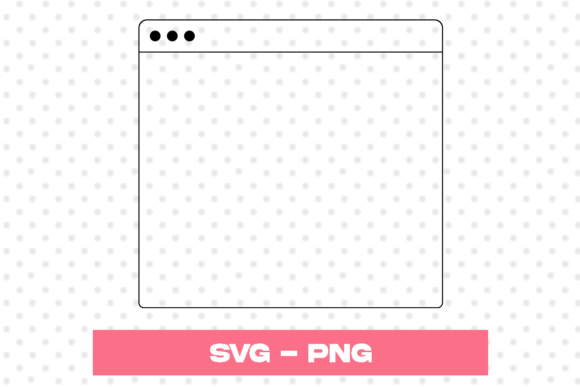
At the heart of this movement is the appreciation for the graphical user interfaces (GUIs) of the 1990s and early 2000s. These interfaces were characterized by beveled buttons, pixelated icons, monospaced fonts, and vibrant, often clashing color palettes. Today, these elements are repurposed not because they are easier to use, but because they evoke a specific emotional response. They suggest authenticity, playfulness, and a rejection of corporate homogeneity. When a website utilizes an Old User Interface Element, such as a Windows 95-style window frame or a Mac OS System 7 dialog box, it immediately signals to the user that the brand is culturally aware and willing to break conventional design rules.
The Technical Foundation of Retro Aesthetics
To successfully integrate these vintage styles, one must understand the technical assets required. Modern web development relies heavily on scalable vector graphics and high-resolution raster images to ensure clarity across all devices. This is where digital assets become crucial. For instance, when incorporating a classic desktop icon or a retro button design, precision is key. A typical professional workflow involves acquiring high-quality digital files that can be manipulated without losing integrity.
Consider the practical aspect of sourcing these designs. Many creators opt for instant access to curated libraries to speed up their workflow. With this INSTANT DOWNLOAD, you will receive a ZIP folder, which includes – 1 SVG File – 1 PNG File with transparent background 300 ppi. It is a digital work of art ready to download immediately and ready to use on cutting software. This specific format combination is vital for modern implementation. The SVG (Scalable Vector Graphics) file ensures that the Retro Web element remains crisp whether it is displayed on a massive 4K monitor or a small smartphone screen. Vector formats allow developers to change colors and sizes via CSS without any loss of quality, making them indispensable for responsive design.
Conversely, the PNG file with a transparent background at 300 pixels per inch (ppi) serves a different purpose. While screens typically display at 72 or 96 ppi, having a 300 ppi source file ensures that if the asset is used in printed marketing materials, such as business cards, posters, or merchandise, it retains its sharpness. The transparent background is equally critical, allowing the retro element to sit seamlessly over various web backgrounds without unsightly white boxes around the edges. This versatility makes such digital packs invaluable for professionals who need to maintain consistency across both digital and physical brand touchpoints.
Psychological Impact and User Engagement
Why do users respond so positively to an Old User Interface Element? The answer lies in the psychology of familiarity and the "mere exposure effect." For millennials and Gen X users, these visual cues trigger memories of their first interactions with computers. This creates an immediate sense of comfort and trust. For younger generations, particularly Gen Z, these aesthetics represent a form of "digital archaeology" or irony. They view the clunky, colorful interfaces of the past as cool and distinct from the sleek, algorithm-driven platforms they use daily.
Incorporating Retro Web design can significantly increase dwell time and engagement. When a user encounters a website that features pixel art cursors, retro scrollbars, or vintage window frames, they are more likely to explore the site out of curiosity. This interactive novelty transforms passive browsing into an active experience. However, it is crucial to balance novelty with usability. If the retro elements hinder navigation—for example, if a button looks like a 1990s graphic but does not behave like a button—users may become frustrated. The most successful implementations use these aesthetics as a skin rather than a structural constraint, ensuring that underlying accessibility standards are met.
Practical Applications Across Industries
The utility of Old User Interface Element designs extends far beyond personal blogs or portfolio sites. Various industries are leveraging Retro Web aesthetics to achieve specific business goals.
- E-Commerce and Fashion: Streetwear brands and independent boutiques often use retro graphics to convey exclusivity and underground credibility. A product page framed like an old operating system window can make a limited-edition sneaker drop feel like a rare digital artifact.
- Tech Startups: Paradoxically, tech companies are using low-fi aesthetics to humanize their high-tech products. By using pixelated icons and simple, blocky layouts, they signal that their technology is approachable and user-friendly, countering the intimidation factor of complex software.
- Education and EdTech: Educational platforms targeting younger audiences use gamified retro interfaces to make learning feel like playing a classic video game. Progress bars that look like health meters and badges that resemble 8-bit achievements can significantly boost motivation.
- Art and Culture: Museums and galleries use these elements to contextualize digital art exhibitions. An online gallery that mimics an old desktop environment allows users to "browse" files and folders, creating a metaphorical connection between digital curation and physical archiving.
Implementation Strategies for Designers
For those looking to adopt this style, the process begins with selecting the right assets. As mentioned, having high-quality source files is non-negotiable. When you utilize a package that provides both SVG and high-resolution PNGs, you empower your development team to experiment freely. The SVG can be embedded directly into the HTML, allowing for animation via CSS or JavaScript. Imagine a retro folder icon that opens with a smooth transition when clicked, or a button that depresses visually when hovered over, mimicking the tactile feel of physical keys.
Color theory plays a pivotal role in Retro Web design. The palette should reflect the limitations of older monitors. Think of the teal and purple gradients of Windows 95, the beige and gray tones of early Macintosh systems, or the neon greens and blacks of terminal interfaces. However, modern accessibility standards require sufficient contrast ratios. Designers must tweak these vintage palettes to ensure text is readable for users with visual impairments. This might mean darkening a pastel background or brightening a font color while maintaining the overall retro vibe.
Typography is another critical component. Serif fonts like Times New Roman or monospaced fonts like Courier New are staples of the era. Using these fonts for headings and body text can reinforce the theme. However, legibility on modern screens can be an issue with some bitmap fonts. It is often better to use modern web-safe fonts that mimic the structure of older typefaces rather than using actual pixel fonts for long-form content.
Challenges and Considerations
While the aesthetic appeal is strong, there are challenges to consider. One major concern is performance. Heavy use of graphical elements, even when optimized as SVGs, can increase page load times if not managed correctly. Developers must ensure that assets are minified and lazy-loaded where appropriate. Additionally, mobile responsiveness requires careful planning. An interface element that looks balanced on a desktop might become cluttered or unusable on a narrow mobile screen. Adaptive design techniques must be employed to simplify the retro elements for smaller viewports, perhaps by removing decorative borders or reducing the complexity of icons.
Another consideration is the potential for alienating users who do not share the nostalgic connection. For these users, the design might simply appear outdated or broken. To mitigate this, clear visual cues and intuitive navigation patterns are essential. The interface should feel retro, but function modernly. Tooltips, clear labels, and standard interaction models help bridge the gap between aesthetic novelty and functional clarity.
The Future of Nostalgic Design
The trend of integrating an Old User Interface Element into modern web design is not a fleeting fad. It represents a broader cultural desire for tangibility and history in an increasingly ephemeral digital world. As technology advances, the distance between current users and the early days of computing grows, creating new layers of nostalgia for future generations. We may soon see a resurgence of early 2010s skeuomorphic design or the glossy textures of the iOS 6 era.
For creators and businesses, staying ahead of this curve means understanding the tools and assets available today. Utilizing high-quality, versatile digital files allows for seamless integration of these styles into any project. Whether you are building a personal brand, launching a product, or educating students, the strategic use of Retro Web elements can provide a distinctive voice in a crowded digital space. By balancing aesthetic charm with modern functionality, designers can create experiences that are not only visually striking but also deeply engaging and memorable.
In conclusion, the revival of vintage interface design is a testament to the cyclical nature of creativity. It invites us to look back at the foundations of our digital lives and reinterpret them through the lens of contemporary technology. With the right resources and a keen eye for detail, anyone can harness the power of the past to build the future of web interaction.