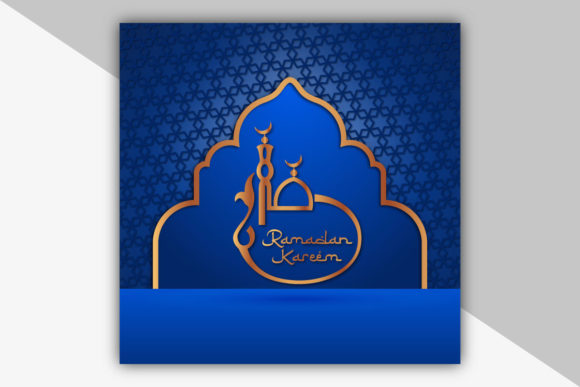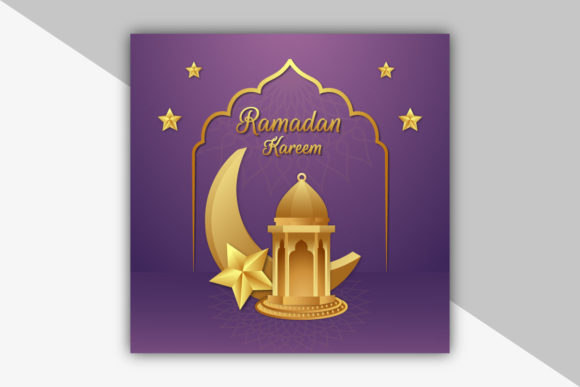
Ramadan Kareem Greeting Card with Islami: A Guide to High-Quality, Editable Designs
The holy month of Ramadan is a time for reflection, community, and sharing warmth with loved ones. In the digital age, sending a thoughtful greeting has evolved from simple text messages to visually stunning cards that convey respect and festivity. However, not all digital assets are created equal. When you search for a Ramadan Kareem Greeting Card with Islami elements, the difference between a amateurish image and a professional-grade design often lies in the technical specifications and editability of the file. Many creators, small business owners, and individuals overlook these critical details, leading to frustrating results when they attempt to print or customize their chosen designs.
Understanding what makes a high-quality greeting card template valuable can save you time, money, and embarrassment. Whether you are a freelancer designing for clients, a marketer preparing social media campaigns, or an individual wanting to send a unique message to family, knowing how to evaluate these files is essential. This guide explores common pitfalls in selecting digital greeting cards and offers practical advice on ensuring you get a product that meets professional standards.
The Trap of Low-Resolution Files
One of the most frequent mistakes buyers make is ignoring the resolution and dimensions of the design. You might find a beautiful Ramadan Kareem Greeting Card with Islami motifs online, download it, and only realize upon opening it that it is pixelated or too small for your needs. A standard web image often comes in at 72 DPI (dots per inch), which looks fine on a screen but turns into a blurry mess when printed. For any physical card or high-quality digital display, you need a minimum of 300 DPI.
Consider the impact of this oversight. If you are a small business owner printing hundreds of cards for customers, using a low-resolution file means wasting paper and ink on unusable products. Even for digital use, a low-res image looks unprofessional on high-definition smartphone screens. The ideal specification to look for is a canvas size of at least 1200px x 800px Pixels. This dimension provides enough flexibility for social media headers, email newsletters, and even small-format prints without losing clarity. Always verify the DPI and pixel dimensions before purchasing or downloading.
Why File Format Matters More Than You Think
Another common misunderstanding is the belief that all image files are interchangeable. Many users download a JPEG or PNG, assuming they can easily change the text or colors later. This is rarely the case. Raster images like JPEGs flatten all layers, making editing nearly impossible without advanced photo manipulation skills. This limitation restricts your creativity and forces you to stick with the default design, which may not align with your brand colors or personal preferences.
To avoid this, prioritize templates offered in Adobe Illustrator (AI) and EPS formats. These vector-based files are fully editable, allowing you to modify every element of the Ramadan Kareem Greeting Card with Islami design. You can change the typography, adjust the color palette to match your corporate identity, or resize elements without any loss in quality. Vector graphics rely on mathematical equations rather than pixels, meaning they remain crisp at any size. If you are not a designer, having access to an AI or EPS file still benefits you because you can hire a freelancer to make quick, precise edits that would be difficult or impossible with a flat image.
The Hidden Cost of Proprietary Fonts
A subtle but significant issue arises with typography. Many free or cheap templates use exotic, proprietary fonts that are not freely available. When you open the file on your computer, the software may substitute the intended font with a default one, completely altering the aesthetic balance of the design. This mismatch can ruin the elegant calligraphy often found in Islamic art, making the card look disjointed and amateurish.
A professional-grade template should explicitly state that it uses free fonts. This ensures that when you download the package, you can also download the necessary font files legally and install them on your system. Before committing to a design, check the documentation or description for a list of included fonts. If the designer provides links to free font repositories, it is a strong indicator of a user-friendly, well-thought-out product. This attention to detail prevents the frustration of hunting down expensive licenses or dealing with broken text layouts.
Color Modes: RGB vs. CMYK Confusion
Color management is another area where beginners often stumble. Digital screens display colors using the RGB (Red, Green, Blue) color model, while printers use CMYK (Cyan, Magenta, Yellow, Key/Black). A vibrant gold or deep green that looks stunning on your monitor may appear dull or muddy when printed if the file is not prepared correctly. Most digital greeting cards are designed in RGB Color Format because they are primarily intended for screens—social media, emails, and websites.
If your primary goal is digital distribution, an RGB file is perfect. However, if you plan to print the cards, you must understand that colors may shift. High-quality designs account for this by using rich, saturated colors that translate reasonably well across both mediums. Always check the color profile of the file. If you are unsure, ask the creator or test print a single copy before committing to a large run. Remember, a High-Quality design considers these technical nuances, ensuring that the spiritual and aesthetic essence of the Ramadan message is preserved regardless of the medium.
Evaluating Editability and Usability
Finally, do not assume that "editable" means "easy to edit." Some files are poorly organized, with layers named incorrectly or elements grouped illogically. This can turn a simple task of changing a name into a hours-long struggle. When evaluating a Ramadan Kareem Greeting Card with Islami template, look for descriptions that mention "fully editable files" and "organized layers."
A good practice is to review previews or screenshots of the layer panel if available. Well-structured files save time and reduce stress. For entrepreneurs and marketers, efficiency is key. You may need to produce dozens of variations for different clients or segments. A well-organized AI or EPS file allows you to duplicate artboards and swap out text quickly. This scalability is what separates a hobbyist’s project from a professional tool.
Making the Right Choice
In conclusion, selecting the right greeting card template involves more than just picking a pretty picture. It requires a keen eye for technical details that affect usability and final output. By prioritizing high resolution (300 DPI), vector formats (AI/EPS), free fonts, and proper color modes, you ensure that your Ramadan greetings are both beautiful and functional. Avoid the common pitfalls of low-quality downloads and rigid, non-editable files. Instead, invest in resources that offer flexibility and professionalism. Whether you are sending a personal note or launching a business campaign, a well-chosen Ramadan Kareem Greeting Card with Islami design reflects thoughtfulness and respect, enhancing the spirit of the season for everyone who receives it.