Maximizing Impact with a Big Sale Promotion Banner for Your Online Store
In the fast-paced world of e-commerce, visual communication is not just an accessory; it is the primary driver of consumer action. A Big Sale Promotion Banner serves as the digital equivalent of a storefront window display, instantly capturing attention and conveying urgency. When designed effectively, these banners do more than announce a discount; they create a psychological trigger that encourages immediate engagement. The strategic use of bold colors like black, orange, red, blue, and yellow can significantly influence how potential customers perceive the value of your offer. By isolating these vibrant elements on clean backgrounds such as white, dark blue, or light green, designers ensure that the message remains the focal point, free from visual clutter.
The Psychology of Color in Promotional Design
Understanding why certain color combinations work is crucial for anyone managing an online shop. The specified palette of black, orange, red, blue, and yellow is not arbitrary. Red and orange are high-energy colors associated with excitement, urgency, and appetite, making them ideal for clearance events or flash sales. Blue provides a sense of trust and stability, which can help mitigate buyer hesitation during high-value transactions. Yellow acts as an eye-catching highlight, drawing attention to specific call-to-action buttons or percentage-off figures. Black adds sophistication and contrast, ensuring that text remains legible against brighter backgrounds.
When these colors are arranged in a vector graphic of a big sale promotion banner, the result is a visually cohesive asset that speaks directly to the subconscious of the shopper. For instance, a banner with a dark blue background might convey a premium "members-only" sale, while a light green background could suggest freshness, suitable for seasonal spring collections or eco-friendly product lines. The isolation of these graphics on varied backgrounds allows marketers to test different emotional responses without redesigning the core elements.
Versatility Across Industries and Platforms
One of the greatest strengths of an editable vector file, particularly in EPS10 format, is its adaptability across diverse industries. Consider the fashion retail sector, where trends change rapidly. A clothing brand can use a red and yellow themed banner to announce a summer clearance, quickly adjusting the text to reflect new dates or discount tiers. Because the file is vector-based, scaling the image for a massive homepage hero section or a small Instagram story ad does not result in pixelation or loss of quality.
In the tech and electronics industry, clarity and trust are paramount. Here, a design utilizing blue and black tones can highlight a "Black Friday" tech deal, emphasizing reliability alongside savings. Online marketplaces, which host multiple vendors, benefit immensely from standardized yet customizable banner templates. A marketplace administrator can deploy a consistent visual language across thousands of product listings, ensuring that all participating sellers adhere to a professional aesthetic during major shopping festivals.
Even service-based businesses, such as online course providers or subscription boxes, can leverage these graphics. A light green background might be used to promote a "New Year, New You" fitness challenge, where the vibrant orange accents draw attention to the sign-up button. The ability to edit the vector means that non-designers can swap out icons or text fields to suit their specific niche, making professional-grade design accessible to small business owners who may not have the budget for a custom agency project.
Practical Applications for Different User Groups
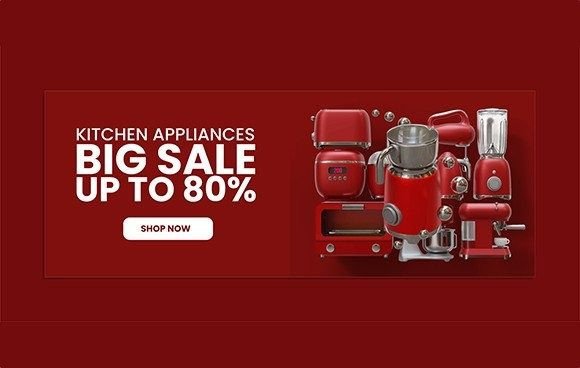
Different users interact with promotional materials in unique ways, and a well-designed banner accounts for these variations. For the impulse buyer, the immediate visual impact of high-contrast colors like red on white is critical. These users scan pages quickly, and a bold Big Sale Promotion Banner stops the scroll. For the analytical shopper, who compares prices and reads terms, the clarity of the vector graphic ensures that fine print or specific conditions are legible, even when scaled down.
Social media managers find these assets invaluable for maintaining brand consistency across platforms. A single EPS10 file can be adapted for Facebook ads, Twitter headers, and Pinterest pins. The isolated nature of the graphic elements allows for easy cropping and repositioning to fit square, vertical, or horizontal aspect ratios. This flexibility reduces the time spent on content creation, allowing teams to focus on strategy rather than repetitive design tasks.
Email marketers also benefit from lightweight, scalable vectors. Embedding high-resolution images in emails can lead to slow loading times, which increases bounce rates. Using optimized versions of these banner designs ensures that promotional emails load quickly on mobile devices, where a significant portion of shopping traffic originates. The clean lines of vector graphics render sharply on high-density retina displays, providing a premium user experience regardless of the device.
Key Considerations Before Implementation
While the aesthetic appeal of a colorful banner is important, several practical considerations must be addressed before deployment. First, ensure that the text within the banner is concise. Overloading a design with too many messages dilutes the impact. The primary goal is to communicate the offer—such as "50% Off" or "Free Shipping"—instantly. Secondary details can be placed in the accompanying body copy or landing page.
Accessibility is another critical factor. High contrast between text and background is essential for readability, especially for users with visual impairments. While yellow is eye-catching, using it for text on a white background can be difficult to read. Instead, use yellow for graphical elements or buttons, and stick to darker colors like black or deep blue for textual information. Testing the banner on various devices and screen sizes is also recommended to ensure that key elements are not cut off or obscured.
Furthermore, consider the context in which the banner will appear. A banner designed for a dark mode interface may need adjustment if placed on a light-themed website. The availability of the graphic isolated on white, dark blue, and light green backgrounds provides a head start here, but minor tweaks to opacity or shadow effects might be necessary to blend seamlessly with your site’s existing UI.
Limitations and Best Practices
It is important to recognize that a banner alone cannot drive sales. It must be part of a broader marketing strategy. A stunning Big Sale Promotion Banner will fail if it links to a broken page or if the offer is not compelling. Additionally, overusing aggressive colors like red and orange can lead to "banner blindness," where users subconsciously ignore promotional content because it feels too spammy. Balance is key; intersperse high-intensity sale banners with softer, brand-building imagery to maintain user trust.
Finally, always verify the licensing and editing capabilities of the vector file. EPS10 is a widely supported format, but ensuring you have the necessary software to edit layers is crucial. Some elements may be grouped or locked, requiring a basic understanding of vector editing tools to customize effectively. Taking the time to understand the file structure will save hours of frustration later, allowing you to deploy timely promotions with ease.
By leveraging the flexibility of editable vector graphics and the psychological power of strategic color choices, businesses can create compelling visual narratives that drive engagement and conversions. Whether for a small online boutique or a large-scale marketplace, the right promotional banner is an indispensable tool in the digital marketer’s arsenal.